Describe the target user and cleaning job
Begin with the person, environment, and job rather than a competitor model number. Describe household or professional context, floor and surface mix, typical debris, cleaning frequency, storage, mobility or reach needs, maintenance tolerance, and pain points with current solutions. If research is limited, label assumptions and identify which ones must be tested during samples or user review.
Prioritize scenarios. A product cannot optimize equally for whole-home floors, vehicles, upholstery, mattresses, workshop debris, pet hair, and liquid pickup. State the primary job, secondary jobs, and excluded uses. This gives the manufacturer a reason for each design tradeoff and helps prevent feature accumulation that weakens the main experience.
Explain channel and price position without publishing a price
Identify the sales channel, target retail tier, competing alternatives, promotion pattern, expected carton journey, and service model. Share commercial targets confidentially with shortlisted suppliers rather than placing sensitive pricing in a public-facing document. A useful brief explains the cost boundary and which user benefits must be protected if tradeoffs are required.
Build the commercial target from expected retail position through channel margin, freight, duty, packaging, accessories, warranty allowance, and other program costs relevant to your business. Clarify quotation terms and included items so proposals are comparable. An isolated unit price does not show whether the platform can support the complete offer.
Separate must-have functions from preferences
Create four groups: mandatory, preferred, open to supplier recommendation, and out of scope. Write each requirement as an outcome or observable task where possible. For example, describe the target floor transition and debris rather than requesting an undefined ‘powerful’ mode. Link functions that depend on one another, such as floorhead, airflow, runtime expectations, battery approach, controls, and filtration.
Explain why each mandatory item matters to the user or channel. This allows the supplier to suggest a different technical solution without losing the underlying need. It also makes value engineering more disciplined: the team can protect priority outcomes while reconsidering features that do not justify their cost, complexity, or validation burden.
Record design, packaging, and service constraints
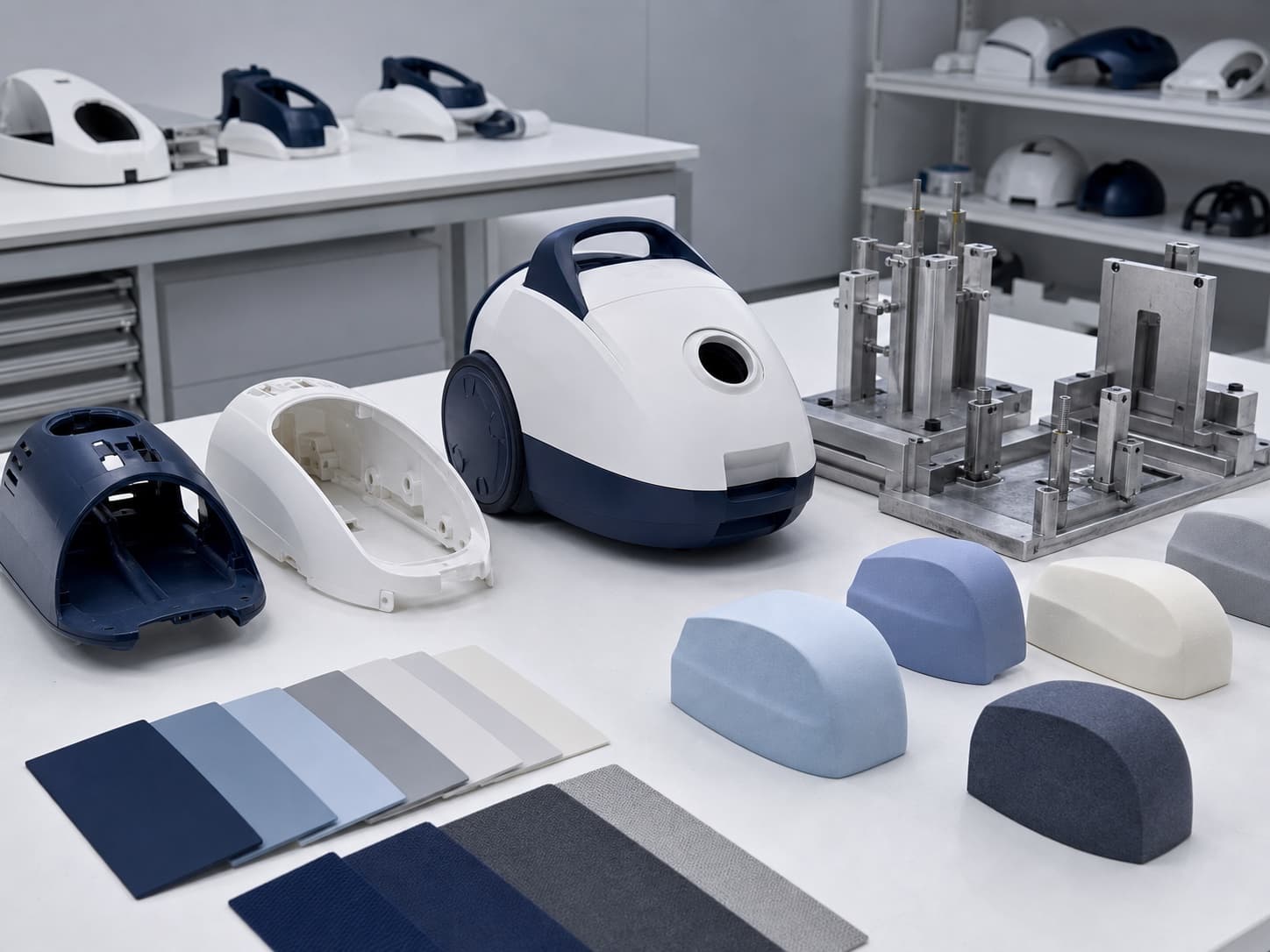
List constraints such as storage envelope, handling goals, brand design language, color and finish references, user-interface expectations, accessory organization, charging location, parcel or shelf limits, packaging materials, drop orientation, and content needs. Mark which references are binding and which are inspiration. Provide controlled files and dimensions instead of relying only on mood boards.
Include maintenance and after-sales expectations: emptying, washable parts, consumables, replaceable items, spare-parts identification, troubleshooting, warranty process, and retained samples. These decisions affect structure, instructions, packaging, and program cost, so they should be visible before a cosmetic direction is approved.
Name the launch markets and evidence responsibilities
State the initial countries and channels, intended user, power and charging context, included accessories, connectivity, claims, required languages, importer or responsible-party plan where applicable, and any retailer protocols supplied by the buyer. Avoid asking generically for a ‘compliant product’ without defining the destination and configuration.
Requirements depend on the model and market and must be confirmed with qualified specialists before launch. The brief should assign responsibility for determining applicable rules, preparing samples, selecting laboratories where needed, reviewing reports, controlling labels and instructions, maintaining files, and reassessing product changes. Do not list a certificate or mark as available until its model scope and current evidence have been verified.
Define schedule inputs and sample acceptance
Give the desired launch window and work backward through buyer decisions, engineering, tooling if needed, sample rounds, testing, artwork, packaging, pilot production, approvals, and transport. Identify fixed events separately from preferred dates. Ask the manufacturer to return a dependency-based plan with assumptions, long-lead items, buyer input deadlines, and the impact of late changes.
For each sample stage, state its purpose, configuration, quantity, documents, tests, and acceptance owners. Use a structured issue list with severity, evidence, action, owner, due date, and retest result. Approval should name the exact sample version and any formally accepted open items; it should not be a general reaction to appearance alone.
Vacuum cleaner product brief checklist
A concise brief can link to detailed drawings, research, artwork, or test documents. Keep one revision-controlled master, record assumptions, and require proposals to state deviations so every supplier responds to the same need.
- Define the primary user, cleaning job, environment, pain points, and excluded uses.
- State channel and confidential commercial position with comparable quotation terms.
- Classify functions as mandatory, preferred, open to recommendation, or out of scope.
- Provide design, packaging, maintenance, consumables, and service constraints.
- List launch markets, product configuration, language, claims, and evidence owners.
- Set dependency-based timing, sample purposes, acceptance criteria, and change control.